
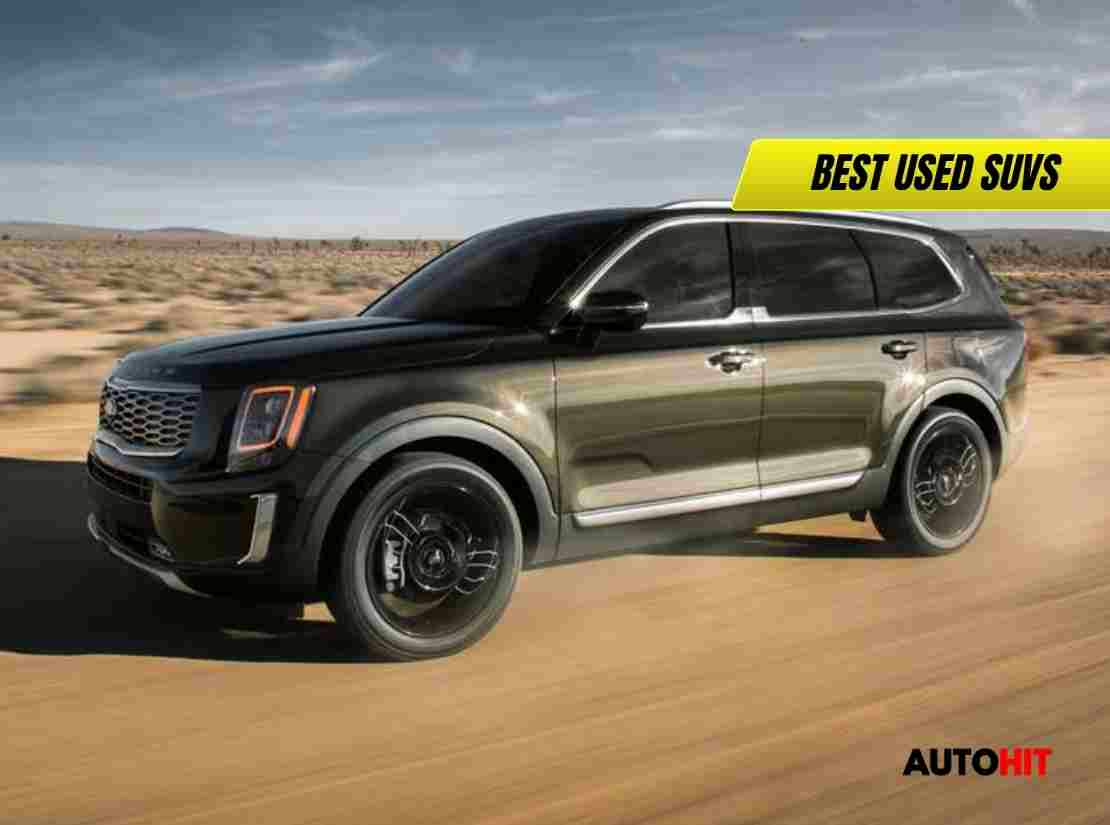
Our comprehensive guide to the best used SUVs in 2025, covering reliability, value for money, and which second-hand family SUVs deliver the most for UK buyers under £20,000.
The used SUV market has never offered better value for UK families. According to our analysis at AutoHit, 2025 represents an optimal time to buy a second-hand SUV, with premium models now entering affordable territory while maintaining the reliability and features that made them desirable when new. The combination of strong depreciation curves and improved build quality across the board means savvy buyers can access genuine family-friendly capability without the eye-watering prices of showroom-fresh alternatives.
We’ve extensively tested and evaluated dozens of used SUVs to understand which models offer the best combination of reliability, practicality, and value retention. The reality is that some SUVs age far better than others, while certain brands have proven track records that make them smart second-hand purchases years after their initial launch.
Having analyzed reliability surveys, depreciation patterns, and real-world ownership costs, we can confidently say that the right used SUV can deliver everything a modern family needs – from school run practicality to holiday touring capability – at prices that make financial sense. But success depends entirely on choosing models that have proven their worth in real-world conditions rather than falling for flashy newcomers with unknown long-term prospects.
From a UK perspective, the used SUV landscape offers everything from compact crossovers perfect for urban use to capable seven-seaters that can handle the rigors of family life while maintaining respectable running costs and reliability.
Key Highlights: • Sweet Spot Pricing: Quality used SUVs with proven reliability now available from £12,000-20,000, offering excellent value compared to new equivalents • Reliability Leaders: Japanese and Korean brands dominate reliability surveys, with Toyota RAV4, Honda CR-V, and Kia Sportage leading the pack • Depreciation Benefits: Premium German SUVs now offer luxury features at mainstream prices after taking their initial depreciation hit • Family Practicality: The best used SUVs maintain generous space, safety features, and modern convenience without new car pricing • Technology Maturity: Models from 2018-2021 offer established infotainment and safety tech without bleeding-edge complications • Inspection Priorities: Focus on service history, wear patterns, and specific common issues rather than generic used car checks
Understanding the Used SUV Advantage
The appeal of buying a used SUV extends far beyond simple cost savings. Modern SUVs have proven remarkably durable, with many models showing minimal degradation in functionality even after 60,000-80,000 miles of family use. This durability, combined with the SUV’s inherent practicality advantages, creates compelling second-hand propositions that often outvalue equivalent new alternatives.
Unlike performance cars that may suffer from enthusiastic previous ownership, family SUVs typically lead pampered lives of school runs, shopping trips, and occasional holidays. This usage pattern means that well-maintained examples often show surprisingly little wear despite accumulating respectable mileages. The elevated driving position, generous cargo space, and all-weather capability that attract buyers to new SUVs remain unchanged in used examples.
Technology integration has also reached maturity in recent SUVs. Models from 2018-2021 feature Apple CarPlay, Android Auto, advanced safety systems, and intuitive infotainment that feels contemporary without the complications of cutting-edge features that may prove problematic as vehicles age. This tech sweet spot provides modern convenience without the premium pricing or potential reliability concerns of the latest innovations.
The depreciation advantage cannot be overstated. Premium SUVs that cost £40,000-50,000 new often become available for £15,000-25,000 after three to four years, bringing luxury features, refined powertrains, and prestigious badges within reach of mainstream budgets. This depreciation particularly benefits buyers seeking specific capabilities like towing capacity, advanced all-wheel-drive systems, or premium interior appointments.
However, the used SUV market requires careful navigation. The popularity of SUVs means that inferior examples command premium prices simply due to demand, while some models that impressed when new have revealed long-term reliability issues that only become apparent after extended ownership. Understanding which models age gracefully and which prove problematic requires careful analysis of real-world ownership data.
Reliability Champions: The Proven Performers
Toyota RAV4 (2013-2019 Generation)
The Toyota RAV4 represents the gold standard for used SUV reliability. Multiple surveys consistently rank it among the most dependable family SUVs, with owners reporting minimal issues even after 100,000+ miles. The 2013-2019 generation offers particularly strong value, combining Toyota’s renowned reliability with modern safety features and reasonable running costs.
The hybrid versions deserve special mention for their exceptional fuel economy and proven durability. Unlike some early hybrid systems, Toyota’s setup has demonstrated remarkable longevity, with taxi fleets commonly exceeding 200,000 miles without major powertrain issues. This reliability extends to the all-wheel-drive system, which provides genuine capability without the complexity that plagues some rivals.
Interior space impresses for the external dimensions, while build quality reflects Toyota’s reputation for durability. The infotainment system feels dated compared to contemporary rivals but proves refreshingly straightforward to operate. At current used prices of £12,000-18,000 for good examples, the RAV4 offers exceptional value for reliability-focused buyers.
Honda CR-V (2012-2018 Generation)
The Honda CR-V’s reputation for dependability is well-earned, with owners consistently reporting trouble-free ownership and reasonable running costs. The spacious interior and enormous boot make it genuinely practical for family use, while the elevated driving position provides excellent visibility in traffic.
Engine reliability is exemplary across the range, whether choosing the smooth 1.5-litre turbo petrol or efficient 1.6-litre diesel. The continuously variable transmission (CVT) initially concerned some buyers but has proven durable in real-world use, providing smooth power delivery ideal for relaxed family driving.
The CR-V’s conservative styling has aged well, avoiding the dramatic design flourishes that can quickly date rivals. Interior quality is solid rather than spectacular, but everything feels built to last. Current pricing from £10,000-16,000 makes it one of the most accessible routes into reliable SUV ownership.
Kia Sportage (2016-2021 Generation)
The fourth-generation Kia Sportage transformed the brand’s reputation, offering genuine style alongside proven reliability. Kia’s seven-year warranty provides exceptional peace of mind for used buyers, with many examples retaining several years of manufacturer coverage when purchased second-hand.
The 1.6-litre turbo petrol engine provides adequate performance with reasonable fuel economy, while the 2.0-litre diesel offers strong mid-range torque ideal for towing or fully-loaded family trips. Both powertrains have proven reliable in service, with few reported issues among early high-mileage examples.
Interior quality impressed when new and continues to feel contemporary in used examples. The cabin design balances style with practicality, featuring logical controls and generous storage. At £12,000-18,000 for good examples, the Sportage offers compelling value with manufacturer warranty backing.
Premium Bargains: Luxury SUVs at Mainstream Prices
BMW X1 (2015-2022 Generation)
The second-generation BMW X1 addresses the space compromises that plagued its predecessor while maintaining the driving dynamics that distinguish BMW products. Current used prices of £15,000-22,000 bring genuine premium features within reach of mainstream budgets, including the excellent iDrive infotainment system and quality interior appointments.
The 1.5-litre three-cylinder petrol engine proves surprisingly refined and economical, while the 2.0-litre diesel provides strong performance with excellent fuel economy. All-wheel-drive xDrive models offer genuine capability for occasional off-road use or challenging weather conditions without significantly impacting fuel consumption.
Build quality is generally excellent, though electrical niggles can affect higher-mileage examples. The comprehensive service history becomes crucial for used purchases, as proper maintenance ensures reliable operation. For buyers seeking premium badge appeal with proven reliability, the X1 represents excellent value.
Volvo XC40 (2017-2023 Generation)
The Volvo XC40 revolutionized compact luxury SUVs with its distinctive design and comprehensive safety features. Despite being relatively recent, depreciation has been swift enough to bring good examples within £16,000-23,000 territory, making premium Scandinavian engineering accessible to value-conscious buyers.
All engine options prove refined and efficient, from the three-cylinder T3 petrol to the potent T5 performance variant. The ride quality expertly balances comfort with control, providing relaxed cruising capability alongside engaging handling when required. Interior design and build quality feel genuinely special, with thoughtful details and premium materials throughout.
Safety equipment is comprehensive even on base models, with Volvo’s reputation for occupant protection translating into class-leading crash test results. The distinctive styling has aged well, maintaining contemporary appeal several years after launch. For buyers prioritizing safety and Scandinavian style, the XC40 offers compelling value.
Mercedes-Benz GLC (2015-2022 Generation)
The Mercedes GLC brought genuine luxury SUV appeal to the mid-size segment, and used examples now offer remarkable value for money. Prices from £18,000-28,000 provide access to sophisticated air suspension, premium interior appointments, and the prestigious three-pointed star at a fraction of new car costs.
The range of engines caters to different priorities, from efficient diesel options to potent AMG variants. All prove refined and well-suited to the GLC’s luxury positioning, delivering smooth performance whether cruising motorways or navigating urban traffic. The nine-speed automatic transmission is exemplary, providing seamless gear changes that enhance the premium experience.
Interior quality showcases Mercedes’ attention to detail, with soft-touch materials and logical control layouts. The COMAND infotainment system can feel dated compared to contemporary rivals but proves reliable and comprehensive. Build quality is generally excellent, though proper servicing is essential to maintain reliability as these vehicles age.
Budget Champions: Maximum Value Under £15,000
Nissan Qashqai (2014-2021 Generation)
The second-generation Nissan Qashqai refined the crossover formula that made the original so successful. Current pricing from £8,000-15,000 makes it one of the most accessible routes into modern SUV ownership, providing contemporary features and reliable operation at supermini money.
The 1.2-litre DIG-T petrol engine offers reasonable performance with good fuel economy, while the 1.5-litre dCi diesel provides strong torque ideal for longer journeys. Both engines have proven reliable in service, with few significant issues reported among high-mileage examples. The continuously variable transmission option divides opinion but proves durable for buyers who adapt to its characteristics.
Interior space is impressive given the compact external dimensions, with adequate room for four adults and a generous boot. Build quality is solid rather than exceptional, but everything feels assembled to last. The comprehensive equipment list includes features typically found on more expensive rivals.
Ford Puma (2019-Present)
Despite being relatively recent, the Ford Puma has already established itself as a used bargain, with examples available from £12,000-17,000. The Puma successfully combines the engaging driving dynamics of the Ford Fiesta with the practicality advantages of SUV packaging.
The 1.0-litre EcoBoost engine proves that small displacement doesn’t mean compromised performance. The three-cylinder unit delivers strong mid-range torque with impressive fuel economy, making it ideal for mixed driving conditions. The six-speed manual transmission is a joy to use, providing precise shifts that enhance the driving experience.
Interior design prioritizes functionality over flash, but build quality is solid and the driving position excellent. The innovative “MegaBox” storage solution in the boot demonstrates Ford’s attention to practical details. For buyers wanting engaging dynamics with family-friendly practicality, the Puma offers unique appeal.
Skoda Karoq (2017-Present)
The Skoda Karoq brings Volkswagen Group quality and engineering to the mainstream SUV segment at competitive prices. Used examples from £13,000-18,000 offer exceptional build quality and practical innovation that justifies Skoda’s growing reputation.
Engine options include efficient TSI petrol units and economical TDI diesels, all providing smooth operation with reasonable running costs. The DSG automatic transmission option works particularly well in this application, providing responsive shifts without the CVT characteristics that some buyers find off-putting.
Interior space and versatility impress, with Skoda’s “Simply Clever” features providing practical solutions to everyday problems. Build quality matches Volkswagen standards while pricing undercuts premium alternatives significantly. The comprehensive warranty and extensive dealer network provide additional peace of mind for used buyers.
Seven-Seat Family Solutions
Hyundai Santa Fe (2012-2018 Generation)
The previous-generation Hyundai Santa Fe offers genuine seven-seat capability at attractive used prices. Examples from £8,000-15,000 provide spacious family transport with proven reliability and generous equipment levels that shame some contemporary rivals.
The 2.2-litre diesel engine provides adequate performance with reasonable fuel economy considering the Santa Fe’s size and weight. The automatic transmission is smooth and well-calibrated, making light work of family duties or towing requirements. Four-wheel-drive models offer genuine off-road capability for buyers requiring all-terrain versatility.
Interior accommodation is generous across all three rows, with the rearmost seats suitable for adults on shorter journeys. Build quality is solid and reliability has proven excellent, with few significant issues reported among high-mileage examples. The comprehensive equipment list includes features often relegated to expensive options on rivals.
Peugeot 5008 (2017-Present)
The second-generation Peugeot 5008 transformed from uninspiring MPV to stylish seven-seat SUV, with used examples now offering compelling value from £12,000-18,000. The distinctive styling has aged well, maintaining contemporary appeal several years after launch.
Petrol and diesel engine options provide adequate performance with competitive fuel economy. The automatic transmission option works well for relaxed family driving, though manual versions offer better value for money. All engines prove refined and well-suited to the 5008’s comfort-focused character.
The interior design impresses with its avant-garde styling and high-quality materials. Seven-seat accommodation is genuine, though the rearmost row suits children or smaller adults. The comprehensive equipment list and excellent build quality make the 5008 an attractive alternative to more conventional rivals.
Electric Pioneers: Early EV Bargains
Jaguar I-Pace (2018-2024)
The Jaguar I-Pace represents one of the first mainstream premium electric SUVs, and depreciation has been swift enough to bring examples within £20,000-30,000 territory. For buyers ready to embrace electric driving, the I-Pace offers genuine luxury and performance at a fraction of its original cost.
The twin-motor setup provides exhilarating acceleration with the refinement expected from a luxury vehicle. Real-world range of 220-250 miles proves adequate for most buyers, while rapid charging capability enables longer journeys with appropriate planning. The driving experience successfully combines sports car performance with SUV practicality.
Interior quality showcases Jaguar’s luxury credentials, with premium materials and sophisticated design throughout. Build quality has generally proven solid, though some electrical niggles have affected early examples. For buyers with suitable charging facilities, the I-Pace offers exceptional value in the premium electric SUV segment.
What to Look for When Buying Used
Successful used SUV purchases require thorough inspection beyond typical used car checks. SUVs often lead harder lives than conventional cars, with family use, occasional towing, and possible off-road excursions creating specific wear patterns that warrant attention.
Service history becomes crucial for SUVs, particularly models with complex all-wheel-drive systems or advanced electronic features. Regular maintenance intervals and genuine parts usage often determine long-term reliability more than absolute mileage figures. Digital service records and dealer stamps provide reassurance that previous owners maintained their vehicles properly.
Tire wear patterns reveal important information about SUV usage and potential issues. Uneven wear may indicate suspension problems, improper alignment, or inadequate maintenance of all-wheel-drive systems. Matching tire brands and similar wear levels suggest conscientious ownership, while mismatched or budget tires may indicate corner-cutting on maintenance.
Interior wear provides insights into family use patterns. Excessive wear on pedals, steering wheels, or seat bolsters may indicate higher usage than odometer readings suggest. Conversely, well-preserved interiors with reasonable mileage suggest careful ownership and appropriate usage for the vehicle’s design intent.
Electrical systems warrant particular attention on higher-specification models. Test all infotainment functions, climate control operations, and electronic safety systems during inspection. While minor glitches may prove inexpensive to resolve, major electrical faults can prove costly on premium SUVs with sophisticated systems.
Frequently Asked Questions
What’s the best used SUV for reliability under £15,000?
The Toyota RAV4 (2013-2019) consistently ranks highest for reliability in this price range, with proven durability and low running costs. The Honda CR-V offers similar dependability with more interior space, while the Kia Sportage provides excellent warranty coverage and modern features. All three have demonstrated exceptional long-term reliability in real-world use, making them smart choices for reliability-focused buyers.
Should I choose petrol or diesel for a used family SUV?
For most UK families, modern petrol engines offer the best balance of reliability, running costs, and flexibility. Diesel makes sense if you regularly tow, drive over 15,000 miles annually, or frequently travel long distances. However, avoid older diesel SUVs (pre-2015) due to potential DPF and emissions system issues. Hybrid versions of the RAV4 and CR-V offer excellent fuel economy without diesel complications.
How much depreciation should I expect on a used SUV?
SUVs typically lose 15-25% of their value in the first year, then 10-15% annually thereafter. Premium brands like BMW and Mercedes depreciate faster initially but level off after 3-4 years. Korean brands (Kia, Hyundai) hold their value well due to long warranties, while Toyota and Honda maintain strong residual values throughout their lifecycle. Plan for 40-50% depreciation over five years for most mainstream SUVs.
What mileage is too high for a used SUV?
Annual mileage of 10,000-12,000 miles is typical for family SUVs, so a five-year-old vehicle with 50,000-60,000 miles represents normal usage. Higher mileage isn’t necessarily problematic if maintenance has been consistent – many SUVs remain reliable beyond 100,000 miles with proper care. Focus on service history and condition rather than absolute mileage figures, as highway miles often cause less wear than urban stop-start driving.
Are there any used SUVs I should avoid?
Avoid early diesel SUVs (2008-2014) from European manufacturers due to DPF issues and expensive emissions system repairs. The Range Rover Evoque (2011-2019) suffers from known reliability problems despite its style appeal. Some Volkswagen Group diesels from the emissions scandal era may face ongoing issues. Also avoid SUVs with complex air suspension systems unless you can afford potential repair costs.
Do I need four-wheel drive in a family SUV?
Most UK families don’t need four-wheel drive, as modern traction control and stability systems provide adequate safety in normal conditions. All-wheel drive adds weight, complexity, and running costs while reducing fuel economy. Consider 4WD only if you regularly tow heavy loads, live in rural areas, or frequently encounter severe weather conditions. Good winter tires on a front-wheel-drive SUV often provide better traction than all-season tires on a 4WD model.
What’s the best way to finance a used SUV purchase?
Personal loans often offer better rates than dealer finance for used car purchases. Compare rates from banks, building societies, and online lenders before considering dealer options. Avoid high-interest hire purchase agreements, and be wary of dealers offering “too good to be true” finance deals that may include hidden costs. If paying cash, ensure you retain enough emergency funds for unexpected repairs or maintenance costs.
Our Verdict: Smart Buying in a Mature Market
The used SUV market in 2025 offers exceptional opportunities for informed buyers willing to research carefully and choose wisely. According to our analysis at AutoHit, the combination of strong depreciation curves, proven reliability data, and mature technology means that the right used SUV can deliver everything a modern family needs at prices that represent genuine value.
The reliability champions – Toyota RAV4, Honda CR-V, and Kia Sportage – continue justifying their reputations with trouble-free ownership and reasonable running costs. These models prove that dependability doesn’t require sacrificing modern features or driving refinement, making them smart choices for buyers prioritizing long-term value.
Premium options like the BMW X1, Volvo XC40, and Mercedes GLC now offer luxury features at mainstream prices after absorbing their initial depreciation. For buyers seeking prestige and sophistication, these models demonstrate that premium ownership doesn’t require premium budgets if you’re willing to buy second-hand.
The budget sector provides compelling options for cost-conscious families, with models like the Nissan Qashqai and Ford Puma delivering contemporary features and reliable operation at supermini prices. These vehicles prove that SUV practicality and style needn’t break modest budgets.
However, success requires careful selection and thorough inspection. The popularity of SUVs means that poor examples command premium prices simply due to demand, while some models hide significant long-term costs beneath attractive initial pricing.
Bottom Line: The used SUV market rewards educated buyers with exceptional value and capability. Choose models with proven reliability records, insist on comprehensive service history, and focus on condition over badge appeal. The right used SUV can deliver years of dependable family service at a fraction of new car costs.





