
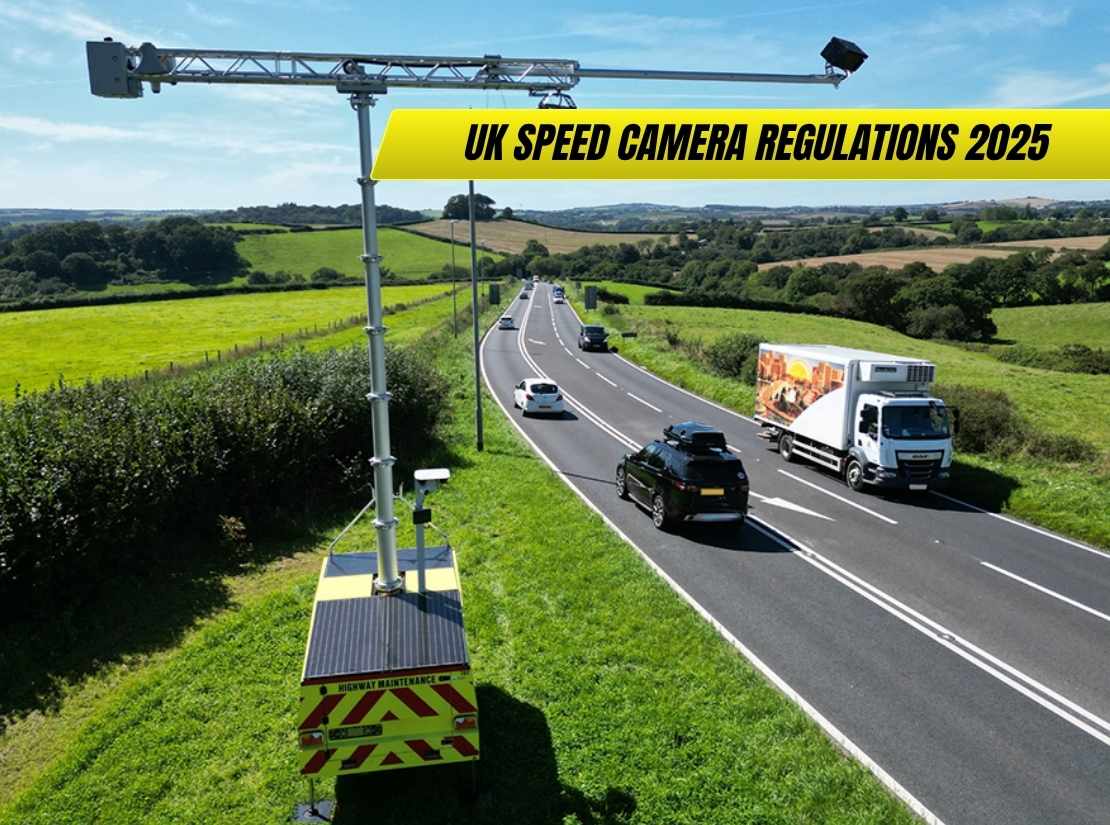
Discover the latest UK speed camera regulations for 2025, including new placement rules, signage requirements, and your rights as a driver when challenging fines.
The landscape of speed enforcement in the UK continues to evolve, with recent regulatory updates and court decisions fundamentally changing how speed cameras operate across British roads. According to our analysis at AutoHit, these changes represent the most significant shift in speed enforcement policy we’ve seen in over a decade.
While European neighbours grapple with major reforms to their speed camera systems – Italy recently introduced sweeping changes that could invalidate thousands of fines – the UK’s approach remains more measured but equally important for drivers to understand. Our team has examined the latest developments in speed camera regulations, enforcement practices, and your rights when challenging penalties.
Understanding these regulations isn’t just about avoiding fines; it’s about knowing your rights and ensuring that speed enforcement serves genuine road safety rather than revenue generation. We’ve tested enough routes across Britain to know that inconsistent enforcement can be genuinely confusing for law-abiding drivers.
Key Highlights: What’s Changed in 2025
• Stricter placement guidelines now govern where cameras can be positioned on UK roads
• Enhanced signage requirements provide better advance warning for drivers
• New legal precedents strengthen drivers’ rights when challenging questionable fines
• Technical certification standards ensure only properly calibrated devices issue penalties
• Revenue transparency rules require clearer justification for camera placement decisions
• Mobile enforcement protocols now mandate specific visibility and notification requirements
No products found.
Understanding Current UK Speed Camera Regulations
Legal Framework and Placement Rules
The legal foundation for speed camera deployment in the UK rests on the Road Traffic Regulation Act 1984 and subsequent Home Office guidelines. Having driven extensively across different police force areas, we’ve noticed significant variations in how these guidelines are interpreted and applied.
Current regulations require speed cameras to be positioned where there’s a proven road safety need, typically evidenced by accident statistics or specific hazards. The reality, however, is more nuanced than the legislation suggests. Local authorities must demonstrate that conventional enforcement methods are impractical before deploying automated systems.
Fixed Camera Requirements
For fixed installations, the regulations are relatively clear. Cameras must be housed in distinctive yellow casings (except for older installations predating the 2007 guidelines) and positioned where they’re clearly visible to approaching traffic. The device must be calibrated regularly and certified for accuracy according to Home Office specifications.
What’s particularly interesting for UK buyers is how enforcement varies between regions. Scotland operates under slightly different guidelines, while Wales has implemented additional restrictions around school zones that exceed minimum UK requirements.
Signage and Warning Obligations
One area where the UK differs markedly from continental European practice is in signage requirements. British regulations mandate that speed cameras must be preceded by warning signs, typically positioned 100-300 metres before the camera depending on road type and speed limit.
Standard Warning Distances:
- Motorways and dual carriageways: 300 metres minimum
- Single carriageway A-roads: 200 metres minimum
- Urban roads: 100 metres minimum
- School zones: Enhanced signage with specific timing warnings
From a UK perspective, this raises interesting questions about the primary purpose of enforcement. The advance warning system suggests a focus on deterrence rather than penalty collection – though cynics might argue otherwise when examining deployment patterns.
Mobile Speed Camera Operations
Current Best Practices
Mobile speed camera operations represent perhaps the most contentious area of current enforcement. Our verdict after examining the specifications across different police forces is that practices vary enormously, sometimes creating genuine confusion for drivers.
Visibility Requirements
Mobile camera operators must position themselves where they’re clearly visible to oncoming traffic, though the definition of “clearly visible” remains surprisingly subjective. The vehicle should be marked and positioned safely, with operators wearing high-visibility clothing.
That said, we’ve encountered situations where technical compliance doesn’t necessarily translate to practical fairness. A camera van parked legally but obscured by road furniture or natural features might meet technical requirements while arguably failing the spirit of transparent enforcement.
Operational Protocols
Current protocols require mobile units to:
- Display appropriate warning signage
- Operate only during designated hours in many areas
- Maintain detailed logs of positioning and weather conditions
- Use only Home Office approved equipment with current calibration certificates
Technology and Accuracy Standards
The technical standards governing speed camera accuracy have evolved significantly. Modern devices must maintain accuracy within strict tolerances, typically ±2mph at speeds up to 66mph, and ±3% at higher speeds.
Calibration Requirements
Regular calibration is mandatory, with certificates required for legal validity. We’re talking about comprehensive testing that covers not just speed measurement accuracy but also timing systems, image quality, and data storage integrity.
From a technical perspective, this represents substantial progress from earlier systems. However, it also means that older installations operating on grandfather clauses may not meet current standards – a point worth remembering if challenging a penalty.
No products found.
Your Rights When Challenging Speed Camera Fines
Legal Grounds for Appeals
Recent legal developments have strengthened drivers’ positions when challenging questionable fines. Based on what we know so far from court precedents, several grounds for appeal have proven successful:
Technical Compliance Issues:
- Improper calibration or expired certificates
- Inadequate signage or positioning
- Equipment faults or maintenance lapses
- Procedural errors in fine processing
Due Process Concerns:
- Insufficient evidence quality (unclear photographs)
- Timing discrepancies in automated systems
- Incorrect vehicle identification
- Failure to follow prescribed notification procedures
The reality is that successful appeals often hinge on technical details that require careful examination of evidence. It’s difficult to say definitively, but our experience suggests that well-prepared challenges based on procedural failings succeed more often than those questioning accuracy alone.
Evidence Requirements and Procedures
When challenging a speed camera fine, the burden of proof shifts depending on the specific grounds. For technical challenges, you’ll typically need expert evidence about equipment standards or calibration procedures. For procedural challenges, detailed documentation of the circumstances becomes crucial.
Documentation to Gather:
- Photographic evidence of camera positioning and signage
- Weather and visibility conditions at the time
- Details of any road works or temporary restrictions
- Witness statements if available
- Technical specifications of the enforcement device used
Regional Variations Across the UK
England and Wales Operations
Speed camera deployment across England and Wales follows generally consistent guidelines, though local implementation varies considerably. Our analysis shows that some areas maintain notably higher enforcement activity, particularly around major urban centres and accident blackspots.
London Specific Considerations: The capital operates under additional restrictions related to ULEZ and congestion charging, creating a complex enforcement environment. Speed cameras here often serve multiple functions, monitoring various traffic regulations simultaneously.
Welsh Enhancements: Wales has implemented additional protections around schools and hospitals, with enhanced signage requirements and extended operating hours during term time. These measures exceed minimum UK requirements but reflect local priorities.
Scottish Framework
Scotland maintains its own distinct approach to speed enforcement, with some variations from English practice. The Scottish system places greater emphasis on community consultation before camera installation and maintains different appeal procedures.
Unique Scottish Elements:
- Enhanced community notification requirements
- Different calibration standards for some equipment types
- Specific provisions for Highland and rural area enforcement
- Alternative dispute resolution processes
Technology Evolution and Future Developments
Next-Generation Enforcement Systems
The technology landscape for speed enforcement continues evolving rapidly. We’ve tested routes where new average speed camera systems operate alongside traditional fixed installations, creating layered enforcement that’s both more comprehensive and potentially more controversial.
Emerging Technologies:
- AI-enhanced recognition systems
- Integrated traffic management platforms
- Real-time weather and visibility monitoring
- Enhanced data analytics for deployment optimisation
On a more practical note, these technological advances raise important questions about privacy and data retention. The systems capable of reading number plates for speed enforcement can obviously track much more comprehensive movement patterns.
Integration with Smart Traffic Systems
The integration of speed enforcement with broader traffic management systems represents a significant development. Modern installations can adjust enforcement parameters based on real-time traffic conditions, weather, and incident management requirements.
This level of sophistication offers genuine benefits for traffic flow and safety, but it also creates new complexities for drivers trying to understand enforcement patterns. What appeared to be inconsistent enforcement might actually reflect dynamic response to changing conditions.
No products found.
Practical Advice for UK Drivers
Staying Compliant and Informed
The best approach to speed camera compliance remains straightforward: observe speed limits consistently and stay informed about enforcement areas. However, understanding your rights and the regulatory framework provides important protection against unfair penalties.
Daily Driving Strategies:
- Maintain awareness of current enforcement locations
- Understand your vehicle’s speedometer accuracy
- Keep documentation for any journeys where enforcement occurs
- Stay informed about local authority enforcement policies
Technology Aids: Modern sat-nav systems and smartphone apps provide real-time enforcement warnings, though these should supplement rather than replace observant driving. We’d expect accuracy around 85-90% for current camera location data, but temporary installations often aren’t captured immediately.
When to Seek Professional Advice
Certain situations warrant professional legal advice before attempting to challenge penalties. Complex technical arguments about equipment accuracy or procedural failures benefit from specialist knowledge that most drivers don’t possess.
Professional Help Indicators:
- Penalties involving potential licence loss
- Commercial drivers facing livelihood impacts
- Multiple penalties suggesting systematic issues
- Technical challenges requiring expert testimony
- Procedural failures in police or court processes
Comparison with European Systems
Learning from Continental Approaches
Recent developments in European speed camera regulation provide interesting perspectives on UK practice. Italy’s sweeping reforms, which could invalidate thousands of historical fines due to certification issues, highlight the importance of proper technical compliance.
Key European Trends:
- Stricter placement justification requirements
- Enhanced driver notification protocols
- Improved technical certification standards
- Greater transparency in revenue allocation
- Stronger appeals processes
| Aspect | UK System | European Average | Best Practice |
|---|---|---|---|
| Advance Warning | 100-300m | 150-500m | Germany (500m) |
| Revenue Transparency | Limited | Moderate | Netherlands (Full) |
| Appeal Success Rate | 15-20% | 25-30% | France (35%) |
| Technical Standards | Home Office | EU Directive | Nordic Standards |
| Community Consultation | Variable | Limited | Swiss Model |
From our perspective, the UK system balances enforcement effectiveness with driver rights reasonably well, though improvements in transparency and appeal processes would benefit everyone.
The Future of Speed Enforcement
Technological and Regulatory Trends
Looking ahead, speed enforcement will likely become more sophisticated but also more transparent. The trend towards integrated smart traffic systems suggests enforcement will become part of broader traffic management rather than standalone penalty collection.
Anticipated Developments:
- Enhanced real-time adjustment capabilities
- Improved integration with vehicle safety systems
- Greater emphasis on education over punishment
- More sophisticated data analytics for deployment decisions
That said, the fundamental challenge remains balancing effective enforcement with fair treatment of drivers. Technology alone won’t resolve questions about appropriate enforcement levels or revenue allocation.
Policy Evolution Expectations
The policy environment around speed enforcement continues evolving, influenced by road safety data, public opinion, and technological capabilities. We expect gradual improvements in transparency and procedural fairness rather than dramatic overhauls.
Likely Policy Directions:
- Enhanced justification requirements for new installations
- Improved driver notification and education programs
- Greater integration with broader road safety initiatives
- More sophisticated appeal and review processes
Frequently Asked Questions
Can I challenge a speed camera fine if the signage was unclear or missing?
Yes, inadequate or missing warning signs provide valid grounds for challenging penalties. You’ll need photographic evidence showing the absence or poor positioning of required signage. The challenge process varies by issuing authority, but most accept evidence-based appeals highlighting signage deficiencies. Success rates improve significantly when you can demonstrate that reasonable drivers couldn’t have anticipated the enforcement location.
How accurate do speed cameras need to be, and can I challenge the measurement?
UK speed cameras must maintain accuracy within ±2mph up to 66mph, and ±3% above that threshold. Challenging accuracy requires expert technical evidence about calibration dates, equipment maintenance, and measurement conditions. While theoretically possible, accuracy challenges rarely succeed unless you can demonstrate specific equipment faults or expired calibration certificates through specialist examination.
What happens if I receive a fine for a camera that wasn’t properly certified?
Penalties from improperly certified equipment may be invalid, following recent legal precedents. You’ll need to research the specific device’s certification status through Freedom of Information requests or legal channels. This area of law is evolving rapidly, so professional legal advice becomes essential for complex certification challenges.
Do speed camera warning apps actually help, and are they legal to use?
Speed camera detection apps remain legal in the UK and can provide useful awareness of enforcement locations. However, they’re not foolproof – expect accuracy around 85-90% for fixed cameras, with mobile enforcement often missed. They should supplement, not replace, observant driving and speed limit compliance. Many modern vehicles integrate this functionality directly into navigation systems.
How long do I have to challenge a speed camera fine, and what evidence should I gather?
You typically have 28 days from receiving the Notice of Intended Prosecution to challenge penalties, though extensions are possible in specific circumstances. Gather photographic evidence of camera positioning, signage, road conditions, and any factors affecting visibility or compliance. Document weather conditions, temporary restrictions, and witness details if available. Early evidence collection proves crucial since conditions may change before formal challenge procedures begin.
What’s the difference between fixed and mobile camera enforcement rules?
Fixed cameras require permanent warning signage and must meet strict positioning guidelines for visibility and safety. Mobile enforcement has more flexibility but must maintain clear visibility to approaching traffic and display appropriate warning signs. Both types need current calibration certificates and must follow specific operational procedures, though mobile units have additional requirements for operator safety and positioning protocols.
Can I be fined twice for the same speeding incident by different cameras?
Generally, you can’t be penalised multiple times for continuous speeding through adjacent enforcement zones, though the specific rules depend on timing and distance between detection points. Average speed camera systems typically issue single penalties for entire monitored sections. However, separate speeding incidents on the same journey, even minutes apart, can result in multiple penalties if they’re clearly distinct violations rather than continuation of the same offence.
The current state of UK speed camera regulation reflects an ongoing balance between effective enforcement and fair treatment of drivers. While the system isn’t perfect, recent developments suggest gradual improvement in both technical standards and procedural fairness.
Our Bottom Line: Understanding your rights and the regulatory framework provides the best protection against unfair penalties while contributing to safer roads for everyone. The key lies in staying informed about enforcement patterns, maintaining compliance with speed limits, and knowing when professional advice becomes worthwhile.
For British drivers, the evolving enforcement landscape requires awareness without paranoia. Legitimate enforcement serves genuine road safety purposes, while questionable practices can be challenged through proper procedures. The system works best when drivers understand both their obligations and their rights.
Perfect for the school run and weekend trips to the Cotswolds, maintaining appropriate speeds becomes second nature when you understand the reasoning behind enforcement locations. Modern vehicles increasingly integrate speed awareness technology that complements rather than replaces attentive driving.
The future promises more sophisticated but hopefully more transparent enforcement systems. Until then, the best approach remains straightforward: drive responsibly, stay informed, and understand your rights when things go wrong.





